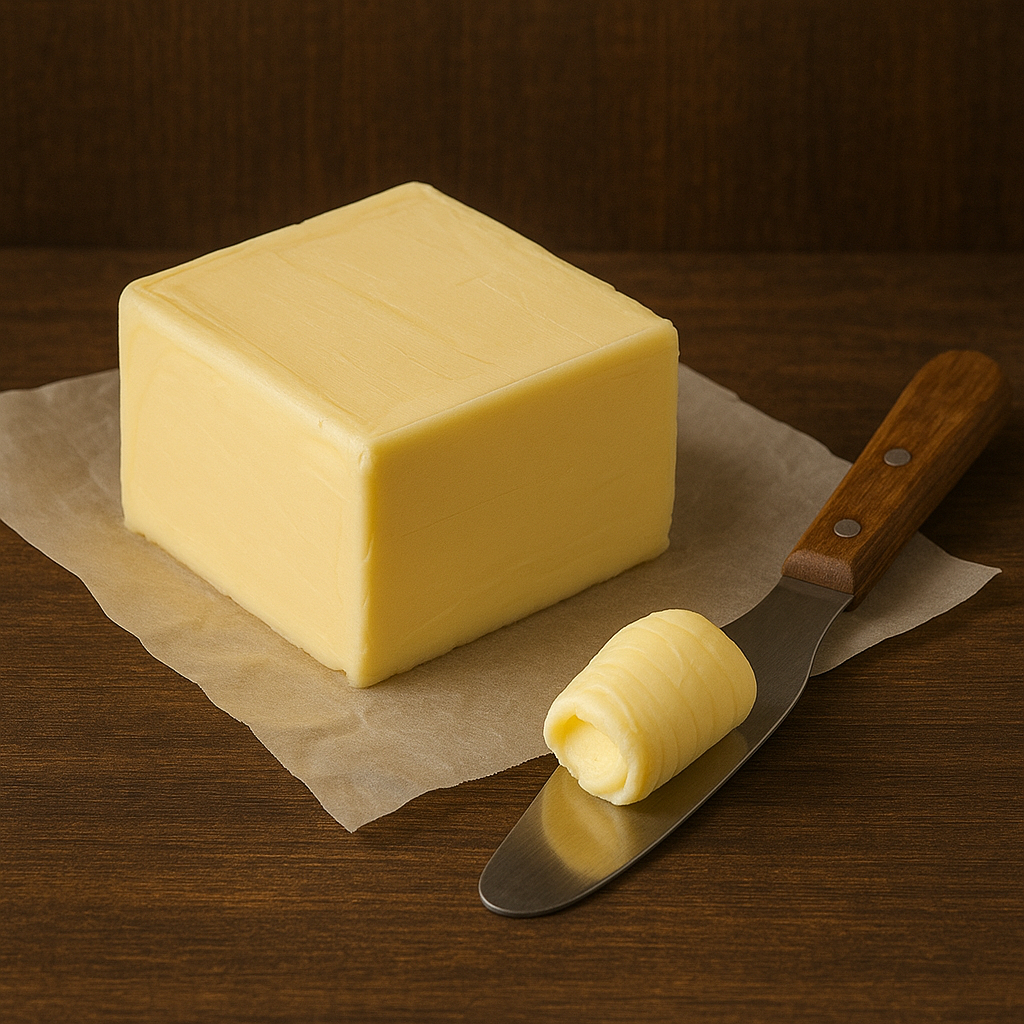
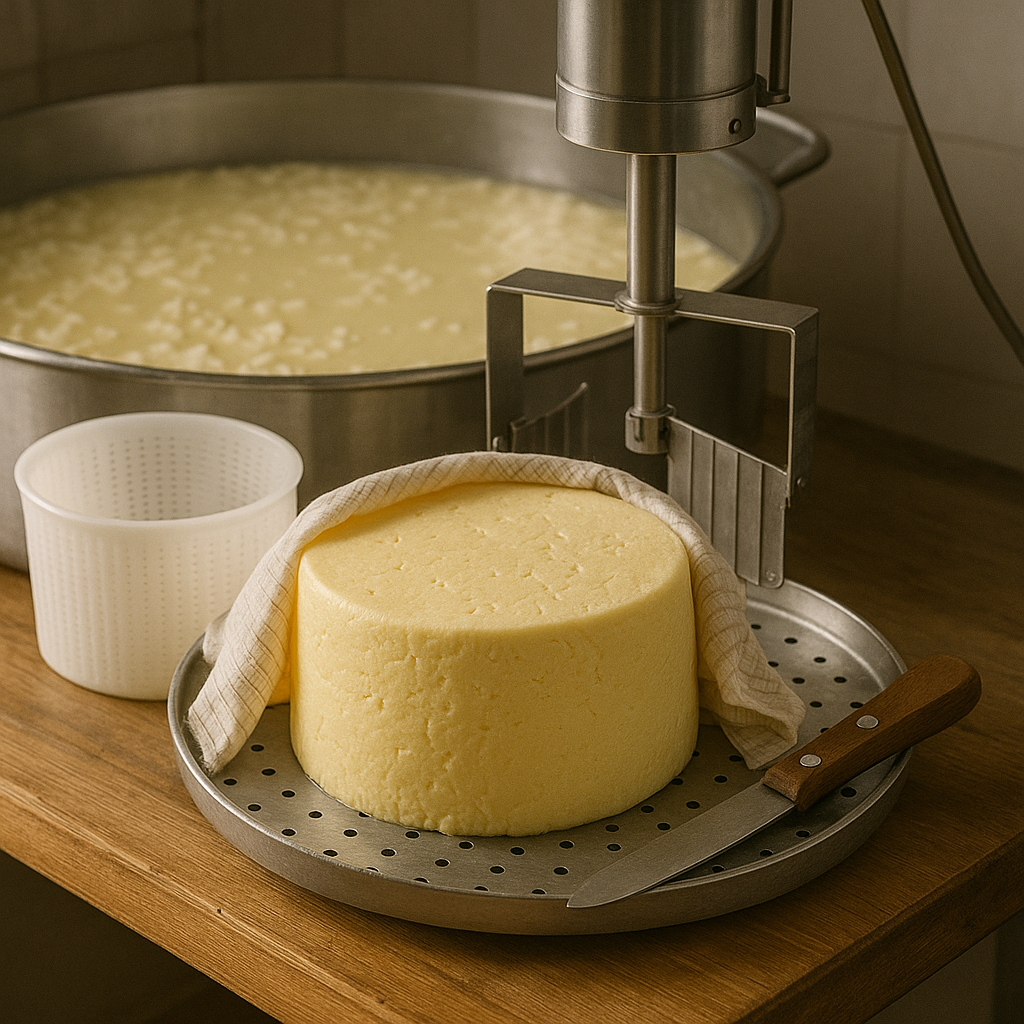
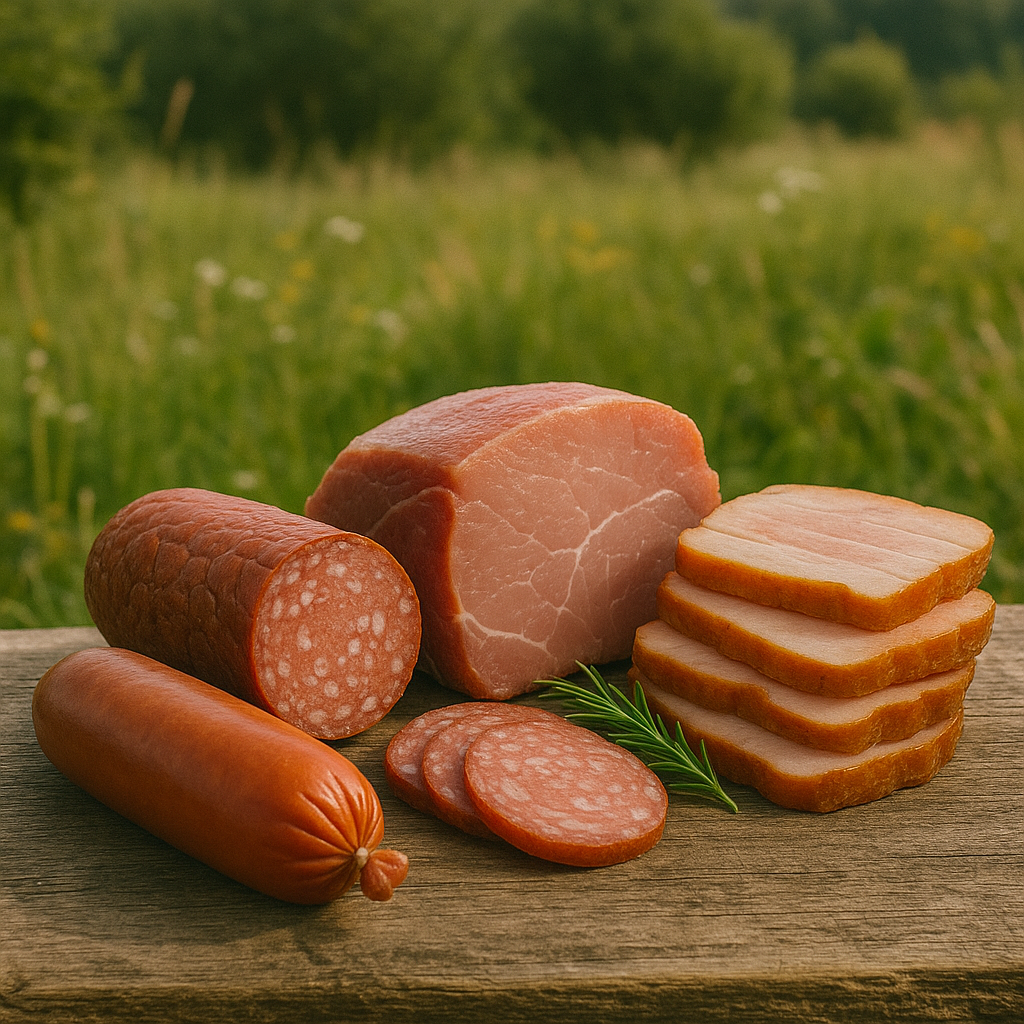
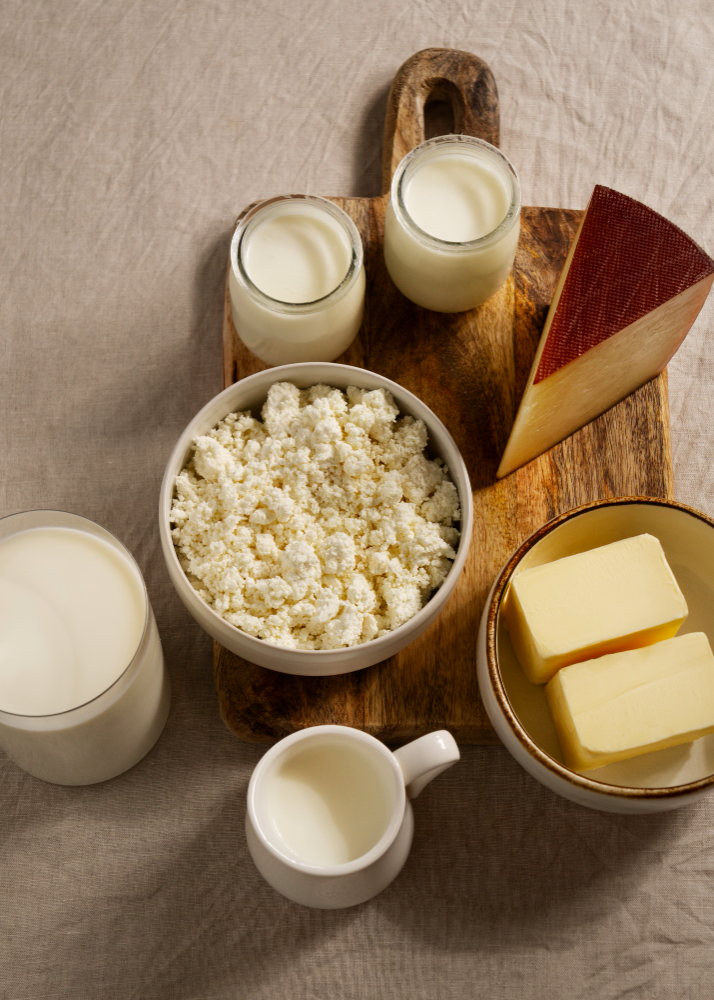
step-by-step descriptions of butter and cheese production
Explore More
About Our Project «NutriPro Learning Space»
Our website is dedicated to providing reliable and structured information about food products of animal origin — from meat and dairy to butter and cheese.
Our mission is to combine scientific accuracy with accessible presentation, making this resource useful for students, teachers, food industry professionals, and anyone interested in nutrition and food technologies.
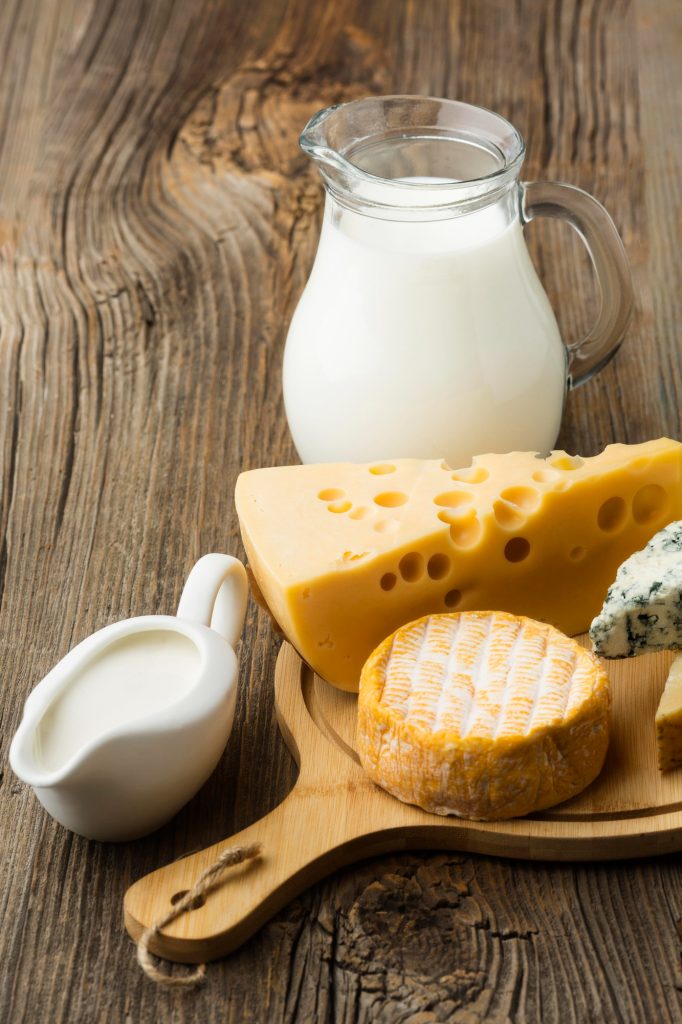
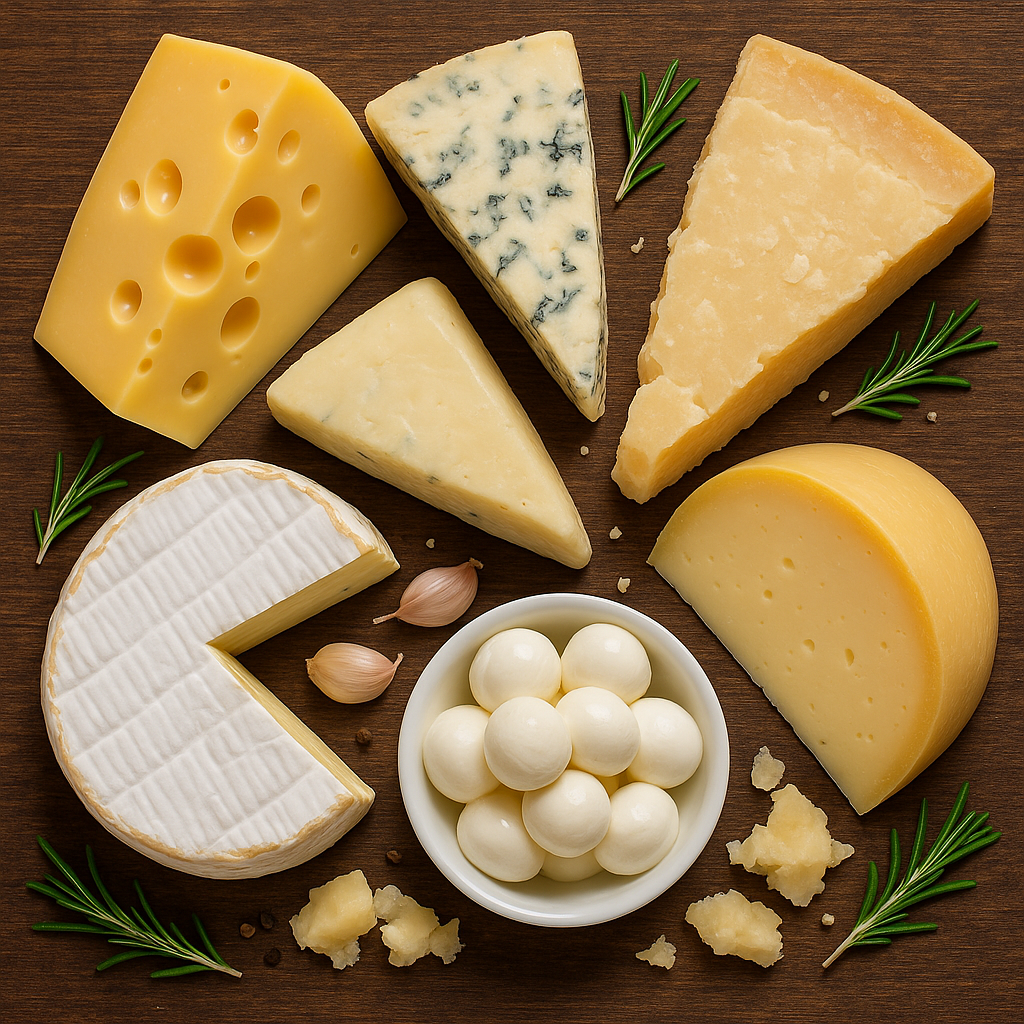
Cheese has evolved from an accidental discovery in ancient civilizations to a globally cherished food, shaped by cultural traditions in countries like Italy, Switzerland, and France. Today, modern production combines traditional craftsmanship with advanced technology and quality control, making cheese both a symbol of heritage and one of the world’s most popular foods.
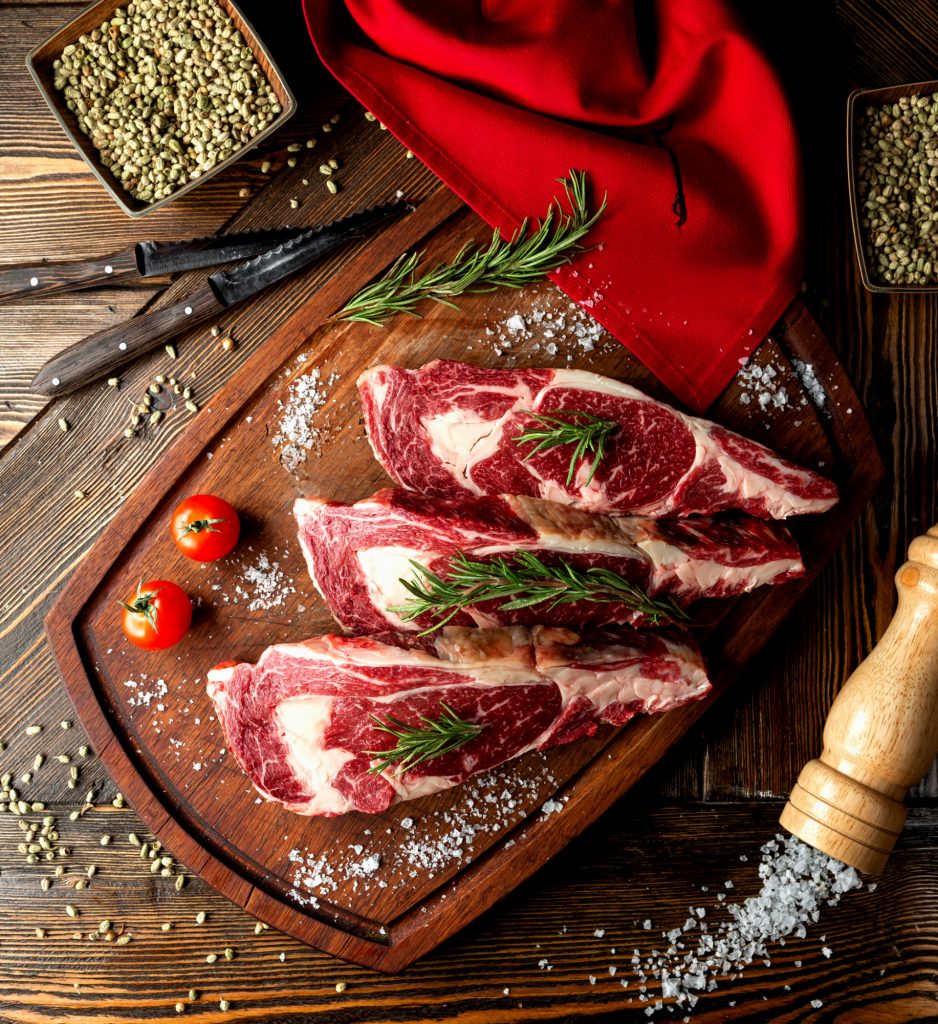
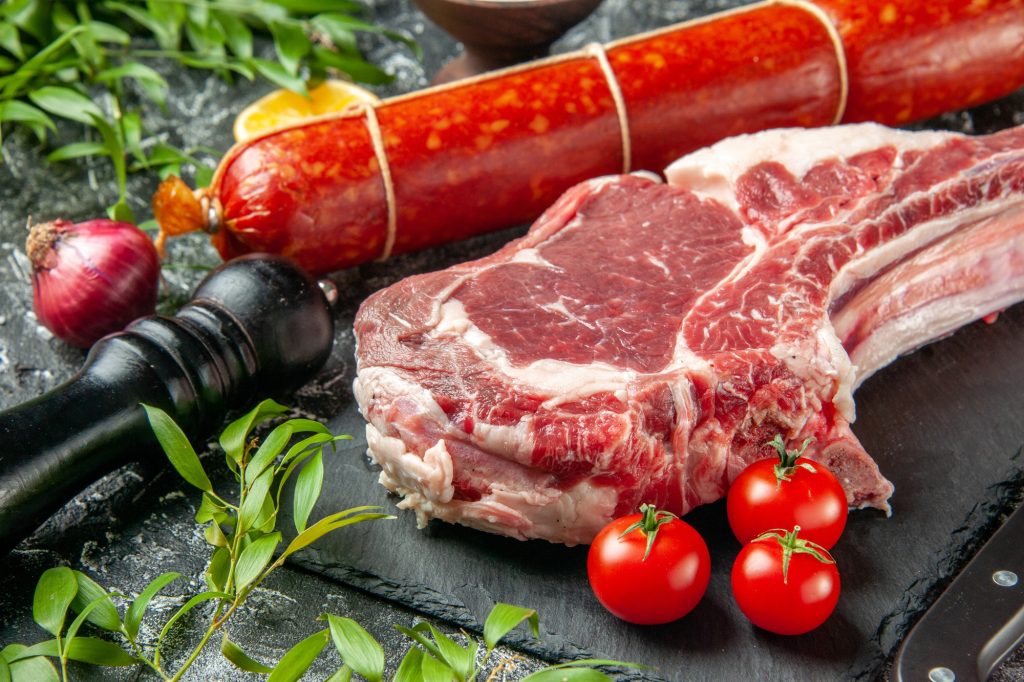
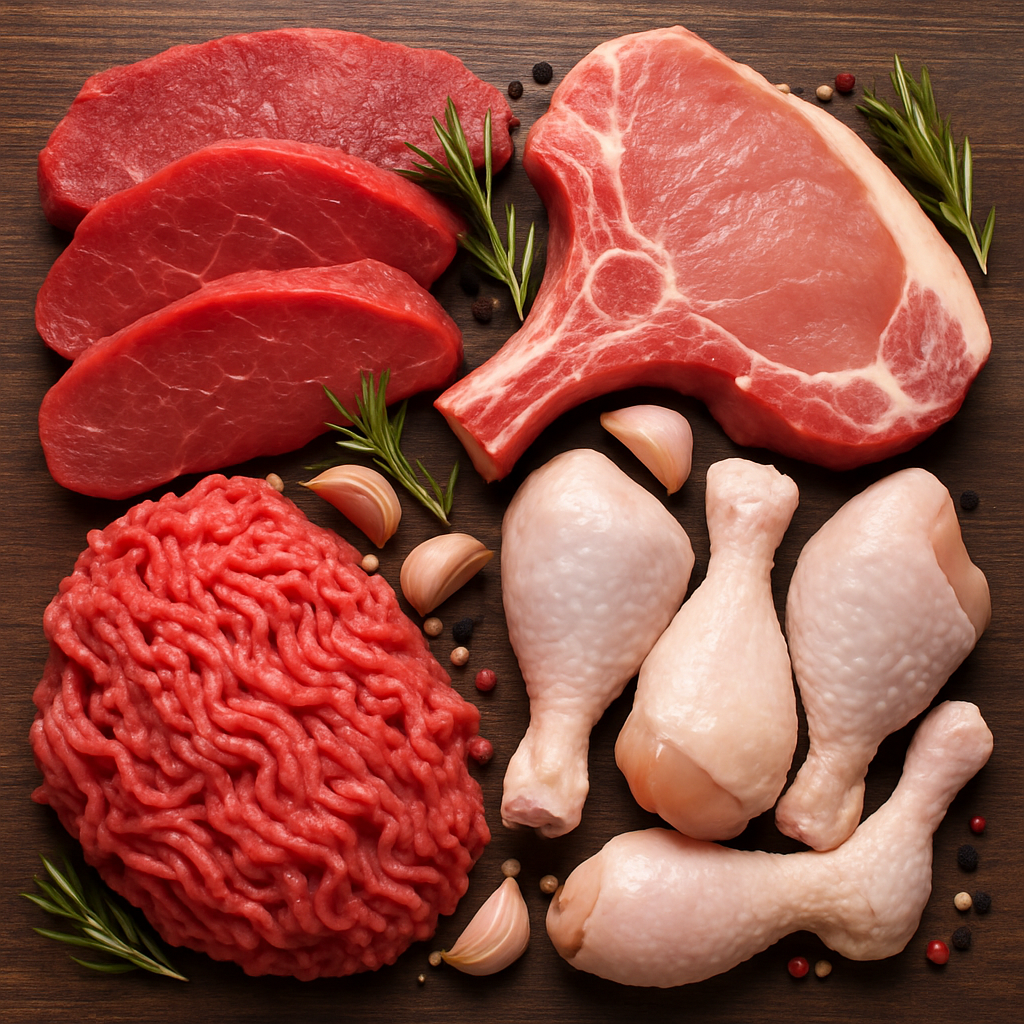
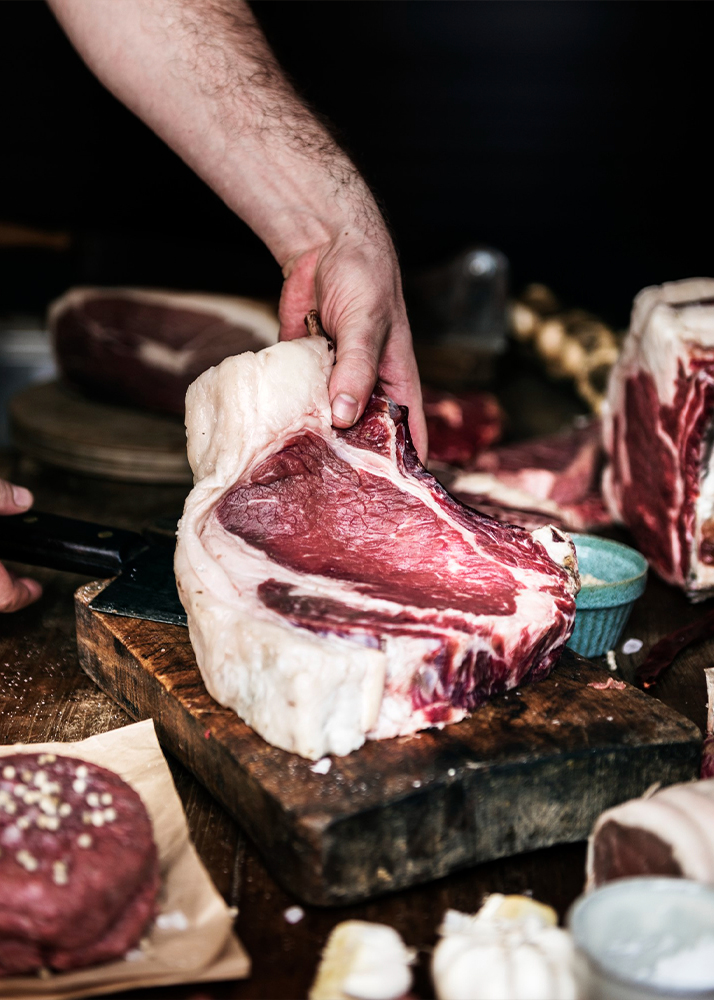
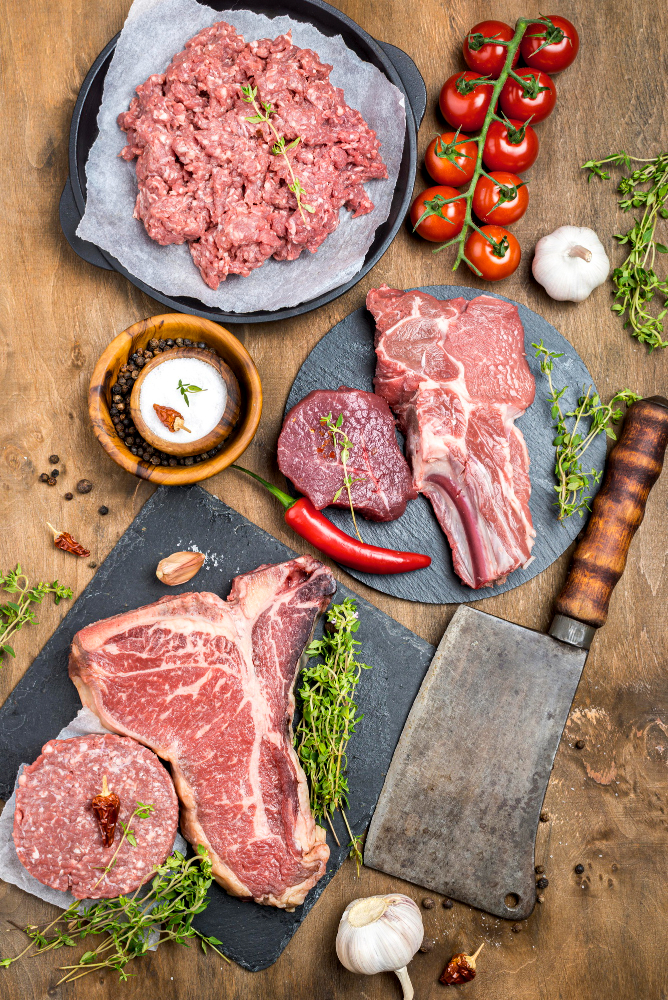
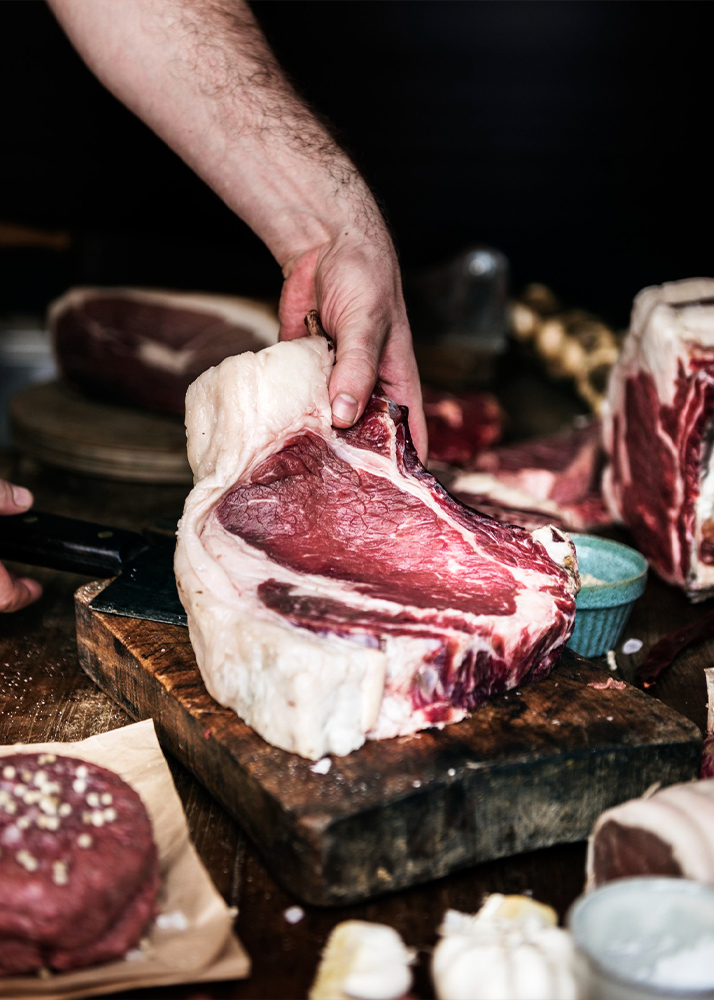
Meat and Health: Myths and Facts About Nutritional Value” explores the role of meat in human nutrition, separating common misconceptions from scientific evidence. The text highlights the proteins, vitamins, and essential minerals found in meat, compares red and white meat, addresses claims about cardiovascular risks, and offers guidance on optimal consumption for a balanced diet. It also touches on the continuing global popularity of cheese as a nutritious and versatile food product.
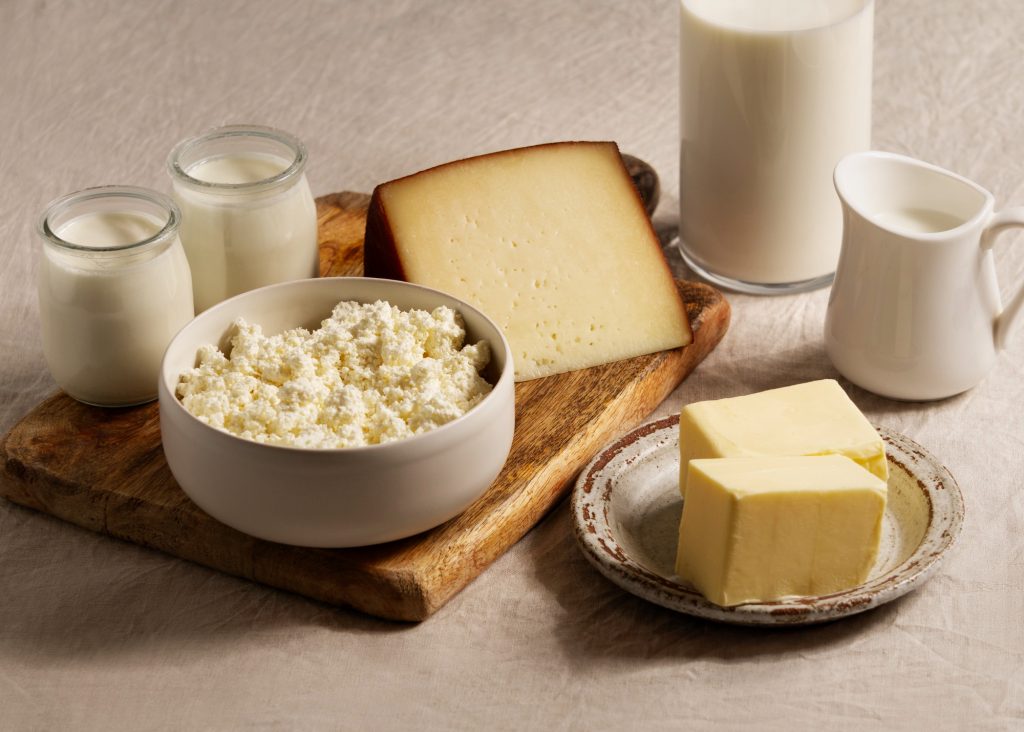
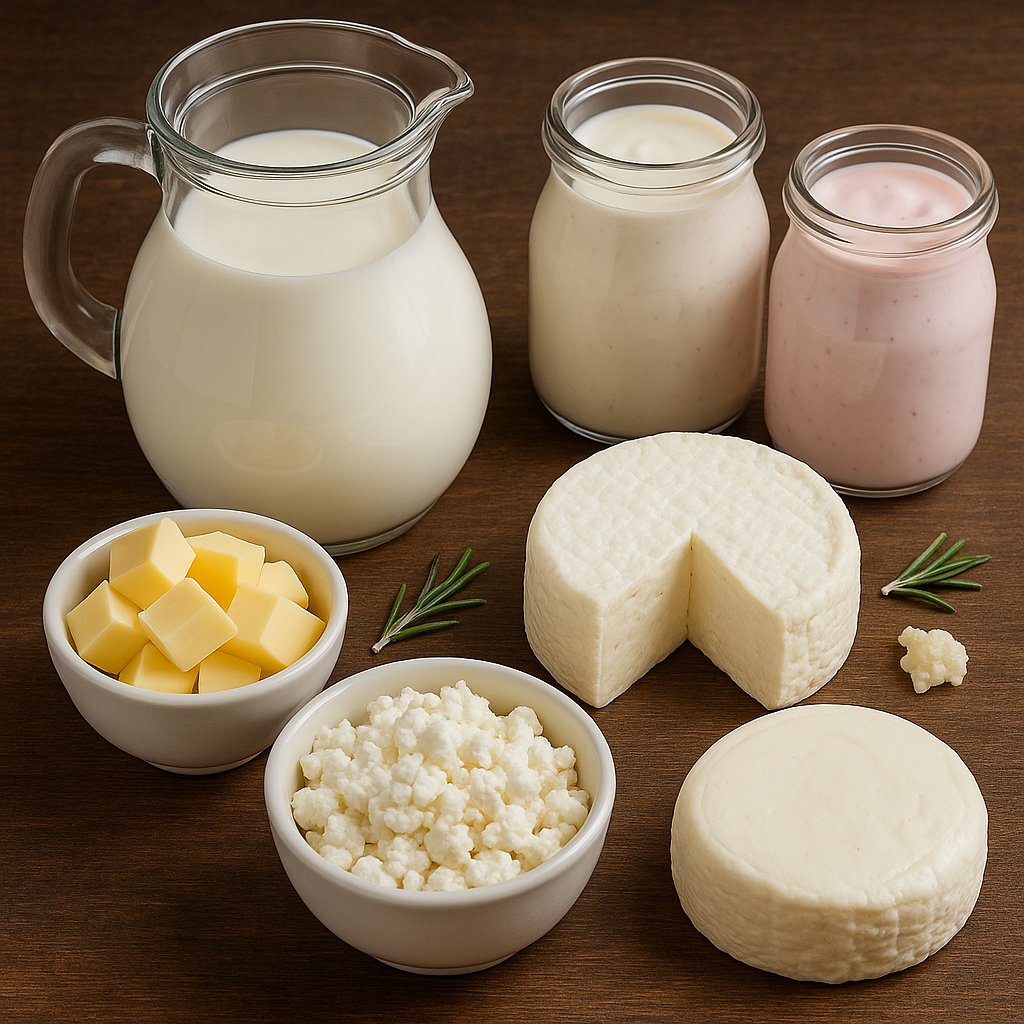
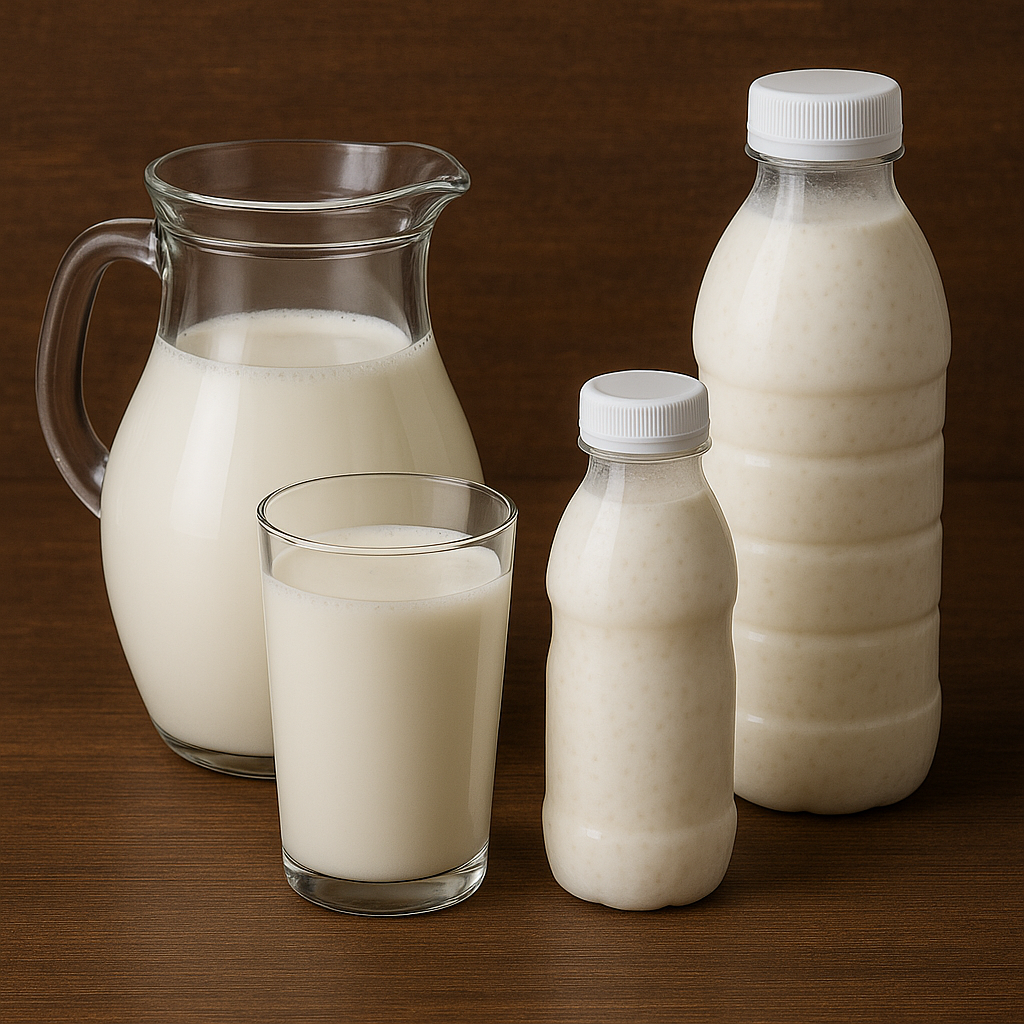
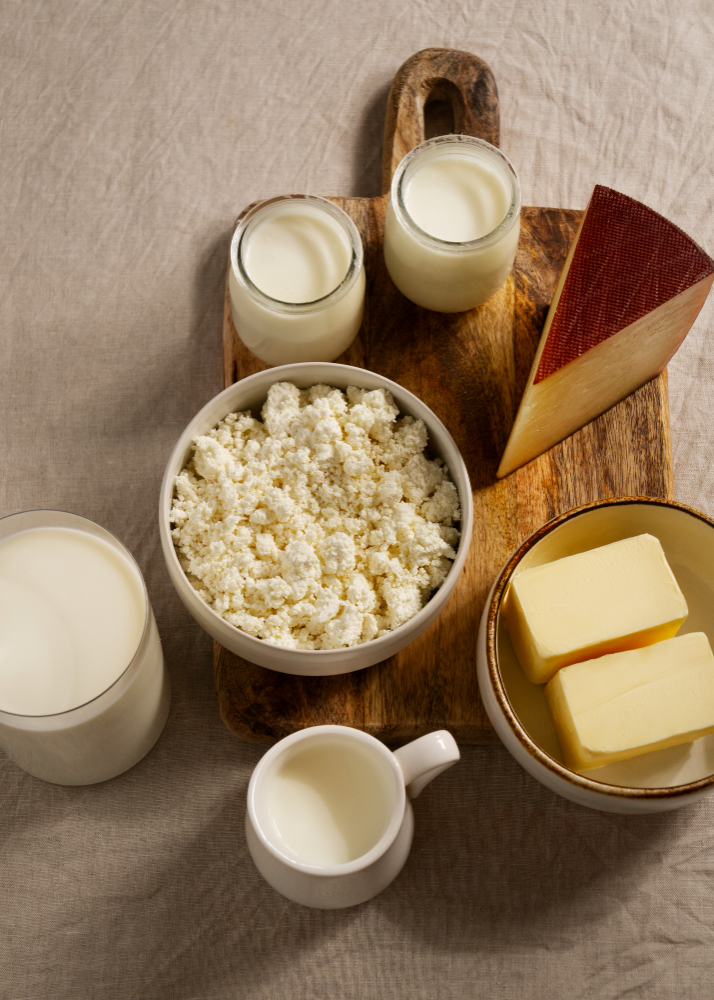
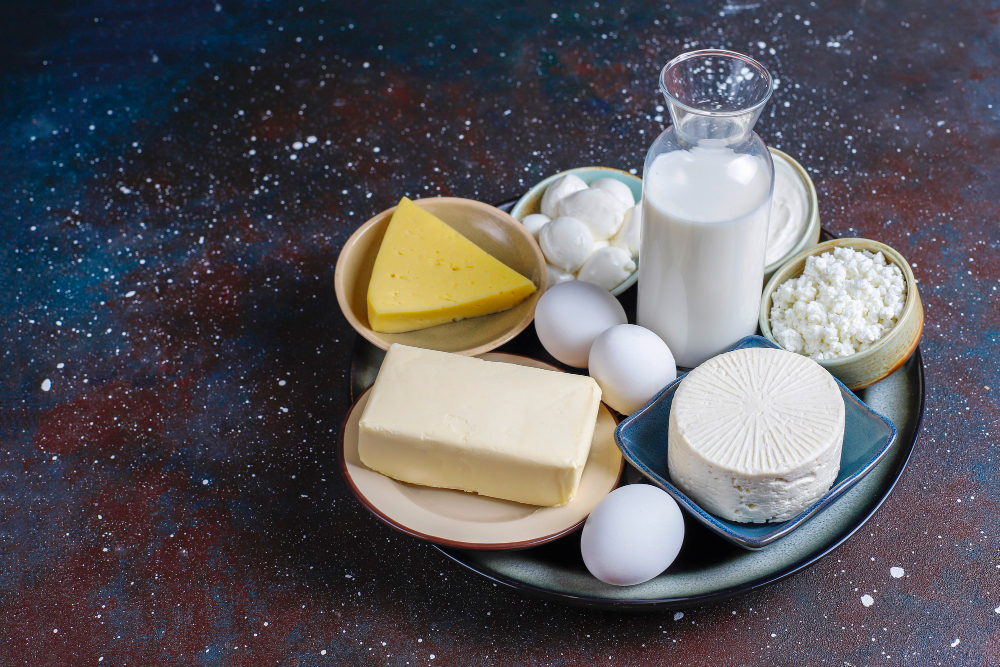
Dairy products such as milk, yogurt, cream, and cheese remain essential in modern nutrition due to their rich nutrient content, probiotic benefits, and role in sports and child health. While new trends like lactose-free, organic, and high-protein fitness products reshape consumer choices, traditional dairy continues to provide vital proteins, calcium, and vitamins. Combined with balanced meat consumption, dairy products ensure a diverse, healthy diet and remain among the most popular and versatile foods worldwide.
Traditions and Modern Trends
Meat as an Animal-Origin Food: Characteristics and Nutritional Value
Beginning of studies on food products of animal origin. Focus on meat characteristics and nutritional values.
Milk, Cream, and Yogurt: Integration into Educational and Technological Studies
Introduction of dairy products such as milk, cream, and yogurt into educational and technological research.
Ripening and Culinary Applications of Hard and Soft Cheeses
Detailed study of hard and soft cheeses, their ripening processes, and culinary applications.
Integrated Guide to Meat and Dairy Product Technologies
Creation of a complete educational resource combining meat, dairy, butter, and cheese technologies for students and professionals.
Educational Integration of Food Technologies
Integration in education refers to the systematic combination of knowledge, methods, and resources from different fields to create a more holistic and effective learning experience. In the context of food technology, integration involves uniting the study of meat, dairy, butter, and cheese production into a single educational framework that connects theory with practice. This approach not only helps students understand the technological processes behind animal-origin products but also prepares professionals to apply their knowledge across multiple sectors of the food industry. By merging these areas, integration fosters interdisciplinary skills, promotes innovation, and ensures that learners gain both academic and practical competencies essential for modern food science and industry development.