🥩 Character of Meat Production and Its Features
- 1. Definition
Meat production is the process of obtaining, processing, and preserving edible animal tissues for human consumption. It includes all stages: animal breeding, slaughtering, carcass processing, cutting, preservation, and distribution.
- Main Characteristics of Meat Production
Biological origin
Meat is a perishable product of animal origin (muscle tissue with fat, connective tissue, and water).
Its quality depends on breed, age, feeding, and living conditions of animals.
Perishability
High water content makes meat highly perishable.
Requires refrigeration, freezing, or curing to extend shelf life.
Nutritional value
Rich in proteins (with essential amino acids), iron, zinc, and B-group vitamins.
Fat content and composition vary depending on species and cut.
Variety of raw materials
Meat production uses different animals: cattle, pigs, sheep, poultry, rabbits, and game.
Each type has specific technological and sensory properties (colour, taste, tenderness).
Technological processing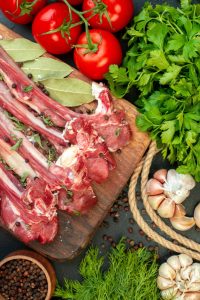
Includes slaughter, bleeding, carcass cutting, chilling, and further processing (sausages, canned meat, cured products).
Determines shelf life, texture, and consumer qualities.
- 3. Key Features of Meat Production
Slaughtering and dressing
Humane slaughter is required.
Carcasses are divided into primal and retail cuts.
Meat quality factors
Colour: from pale pink (veal, poultry) to dark red (beef, venison).
Texture: fine (veal, rabbit) or coarse (beef, mutton).
Fat content: affects juiciness and flavour (pork, lamb = higher fat; poultry, venison = lean).
Preservation methods
Chilling (0–4 °C): short-term storage.
Freezing (−18 °C): long-term preservation.
Salting, curing, smoking: improve shelf life and flavour.
Canning: sterilized products with long storage stability.
Product range
Fresh meat, minced meat, semi-finished products, cured meats (ham, bacon), sausages, canned goods.
Sanitary and technological control
Veterinary inspection, hygiene rules, and HACCP system are crucial to ensure safety.
- 4. Modern Trends in Meat Production
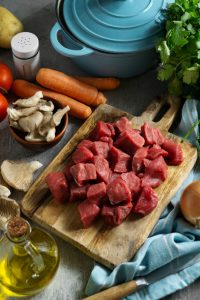
Focus on leaner meat and diet products (turkey, chicken, rabbit).
Use of by-products (liver, kidneys, blood, bones) in food and feed industry.
Development of meat alternatives and hybrid products (plant + meat blends).
Implementation of automation and biotechnology in processing.